In the ever-changing world of Agile Scrum, backlog refinement is a vital step. It helps teams stay focused and deliver real value to users. It used to be called “grooming,” but now we use “refinement” for clarity. This process isn’t just one meeting—it keeps going. The team reviews, updates, and sorts the product backlog by importance. This ensures everyone understands the upcoming work. They can plan sprints with confidence.
- Why Does Backlog Refinement Matter in Today’s Agile World?
- Who Joins and Who Leads Backlog Refinement?
- How to Run Good Backlog Refinement Sessions: Step by Step
- Best Practices and Easy Tips for Backlog Refinement in 2025
- Top Tools for Product Backlog Refinement in 2025
- Common Mistakes to Avoid in Backlog Refinement
- A Real Example of Backlog Refinement
- Benefits of Strong Backlog Refinement
- End Note About Grooming in Agile
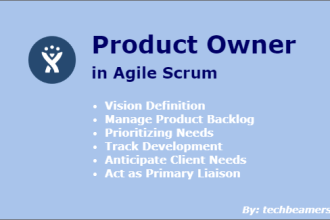
Think of the product backlog as your project’s to-do list. It includes user stories, features, and tasks. Backlog refinement cleans this list, making it clear and ready. The product owner (PO) usually leads it, but the whole team joins in. Architects share tech ideas, developers discuss building plans, and testers spot risks early. Good backlog refinement cuts down surprises and speeds up the team.
Why Does Backlog Refinement Matter in Today’s Agile World?
Agile teams face rapid changes, like new customer needs or tech updates. In 2025, remote work and AI tools are common. Backlog refinement keeps everything on track. It turns big ideas into small, manageable tasks. Teams estimate effort using story points. This helps them decide what fits in the next sprint, which is usually 2 to 4 weeks.
The goal is to prepare clear work for 3 to 4 sprints ahead. This lets the PO set reliable timelines. The Scrum master (SM) can spot and fix issues early. Without refinement, sprints may stall due to unclear tasks or wrong priorities. Refinement builds team understanding, making them more effective and efficient.
Who Joins and Who Leads Backlog Refinement?
The PO owns the product backlog. They start by explaining business needs simply, sharing why a feature matters and what success looks like. The SM keeps the meeting smooth, on time, and open to all voices. Everyone joins in—developers check if it can be built, testers ensure quality, and stakeholders may add ideas.
In small teams, the SM might lead if the PO is busy. For team-driven tasks, like code cleanup or adding tests, the team can take charge. In 2025, many teams work remotely. Video calls and shared screens ensure everyone can contribute.
How to Run Good Backlog Refinement Sessions: Step by Step
Backlog refinement is ongoing, not just at sprint ends. Spend 5 to 10% of your sprint time on it—about 4 to 8 hours for a two-week sprint. Break it into short weekly meetings of 1 to 2 hours to avoid tiredness. Here’s a simple guide:
- Check the Backlog: Look at top items first. Ask: Do we need this? Does it add value now?
- Add Clear Details: For each story, use simple rules like INVEST (Independent, Negotiable, Valuable, Estimable, Small, Testable). Write clear rules for completion, like: “As a user, I want to log in to access my account safely.”
- Split Big Tasks: Break large ideas into smaller user stories. For example, “Build a shopping app” becomes “Add a cart button” and “Process payment.”
- Estimate Effort: Use Planning Poker. Team members pick cards with numbers like 1, 2, 3, 5 for task size. Discuss differences and agree.
- Prioritize Items: Sort by value, risk, and dependencies using methods like MoSCoW (Must-have, Should-have, Could-have, Won’t-have).
- Ensure Readiness: Use a Definition of Ready (DoR) checklist. Is it clear? Estimated? Free of big unknowns?
Finish by updating the backlog and noting next steps. In 2025, AI tools can help prioritize or find gaps.
Best Practices and Easy Tips for Backlog Refinement in 2025
To make backlog refinement work well, try these tips from top Agile teams:
- Work Together: Let everyone share ideas. Avoid one person talking too much. Ask questions like “What if the user tries this?” to catch issues early.
- Focus on Results: Choose features that deliver quick value, like user feedback tools. For trends like AI, discuss safe data use.
- Support Remote Teams: Use shared boards in tools like Jira or Miro. Share plans early and record sessions for absentees.
- Embrace Trends: As Scaled Agile grows, align work across teams. Consider eco-friendly features—does this save energy?
- Limit Time: Spend no more than 15 minutes per item. If stuck, save it for later.
- Track Success: Measure how many refined items are pulled into sprints without changes.
These tips make sessions productive and fun, turning refinement into a team strength.
Top Tools for Product Backlog Refinement in 2025
Tools make refinement easier, especially for teams working apart. Here are top picks for 2025:
| Tool | Main Features | Good For |
|---|---|---|
| Jira | Custom boards, story links, AI estimate help | Large teams with complex projects |
| Zenhub | AI planning, GitHub integration | Tech teams using AI for insights |
| Monday.com | Task views, team chat, drag-and-drop | Flexible work for mid-sized teams |
| Trello | Card-based boards, voting add-ons | Quick, visual sessions |
| Asana | Workload views, dependency mapping | Balancing hybrid team work |
| ClickUp | Task lists, notes, chat | All-in-one for small teams |
Choose based on your team’s size and needs. Most have free plans to start.
Common Mistakes to Avoid in Backlog Refinement
Even great teams slip up. Watch for these:
- PO Works Alone: Without team input, technical ideas are missed, leading to rework.
- Too Many Details Early: Don’t plan everything upfront—keep it simple to save time.
- Big, Vague Stories: Adding large ideas without breaking them down slows progress.
- Skipping Team Input: Without developers or testers, estimates can be off.
- Rare Meetings: Doing it all at once overwhelms; spread it out.
Set clear rules and review sessions to improve.
A Real Example of Backlog Refinement
Imagine a team building a mobile banking app. The PO adds: “Improve security.” In refinement:
- They split it: “Add two-factor login” (5 points), “Encrypt data” (8 points).
- They discuss: Testers ask about weak internet scenarios.
- They prioritize: Login first, as it’s high-risk.
- They estimate with cards and agree.
This clear plan helps the team sprint smoothly and deliver the secure feature on time.
Benefits of Strong Backlog Refinement
- Cleaner Backlog: Removes unneeded items, keeping only valuable ones.
- Better Estimates: Fewer unknowns lead to solid plans.
- Team Unity: Everyone shares goals, reducing mistakes.
- Faster Delivery: A clear backlog speeds up sprints and releases.
- More Flexibility: Easy to adapt to trends like AI or eco-friendly tech.
In short, product backlog refinement turns chaos into smooth progress. It helps teams thrive in 2025’s fast world.
End Note About Grooming in Agile
Backlog refinement is key in Agile Scrum. It helps your team work smart. By doing it often with everyone, using easy tools, and skipping bad habits, you build things people like.
Here are some articles that we’ve hand-picked for you. Please go through these and upgrade your knowledge.
- Agile Methodology
- Agile Interview Questions
- Manual Testing Tutorial
- Manual Testing Interview Questions
- Selenium Interview Questions
Lastly, your support is important for us to continue this site. Share this post on social media (Facebook/Twitter) if you gained some knowledge from this tutorial.